
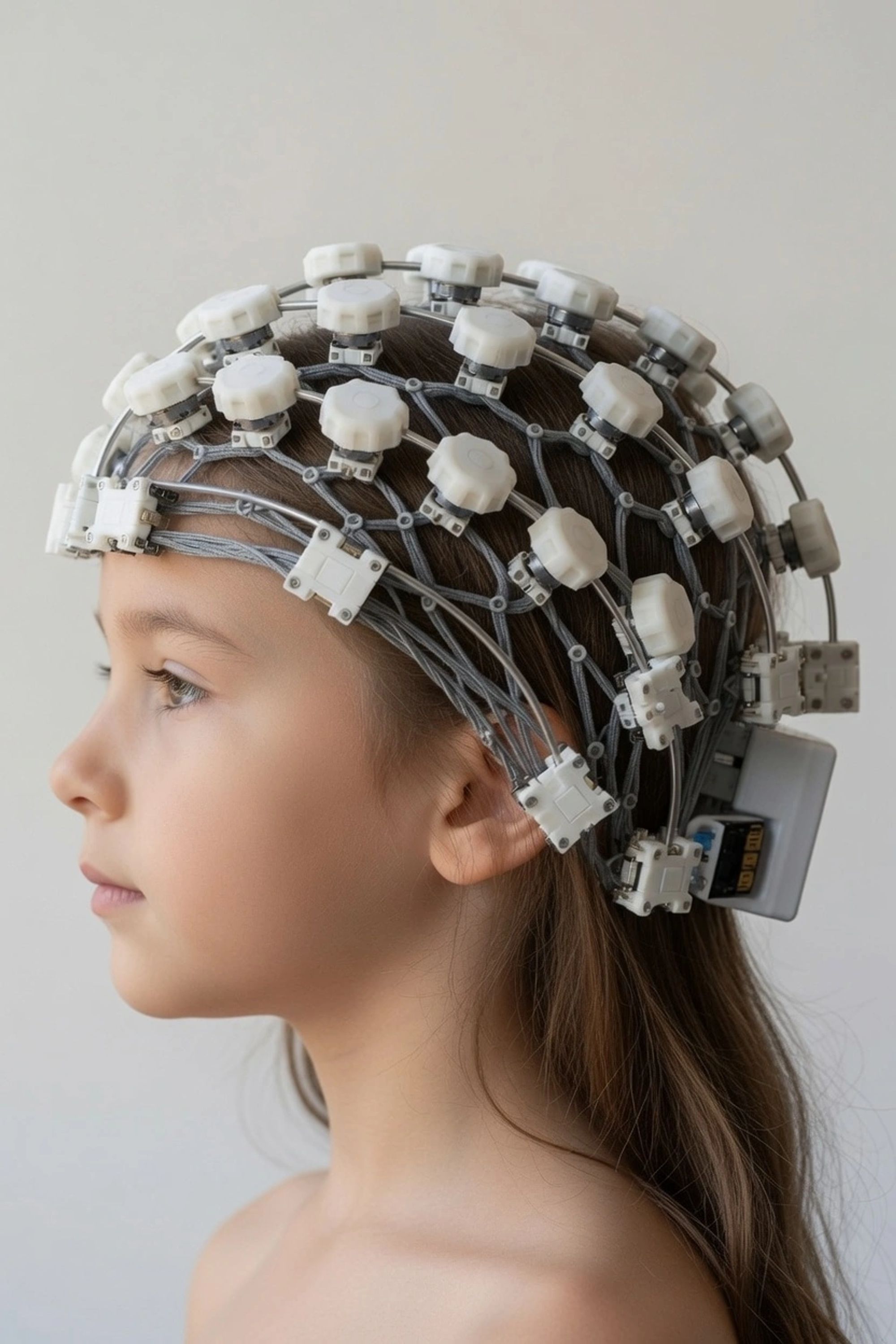
Designed for children 0–5
Soft wearable concept. No sedation. Intended for infants and children through age five.
Why it matters
About one in six U.S. children lives with a developmental disability. About one in 31 eight-year-olds is identified with autism.
Soft wearable concept. No sedation. Intended for infants and children through age five.
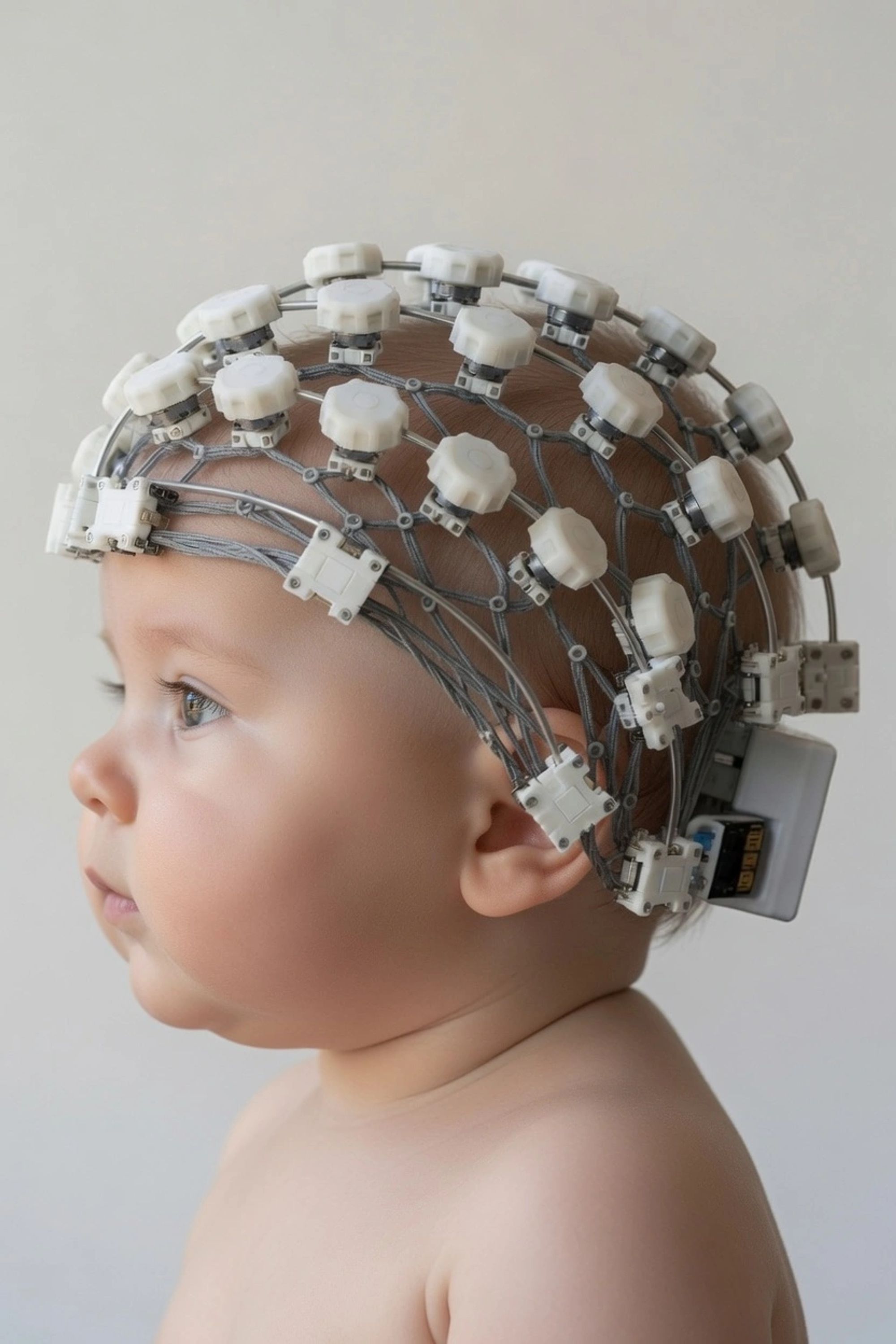
Designed for under five minutes, in clinic, while the child sits on a parent’s lap.
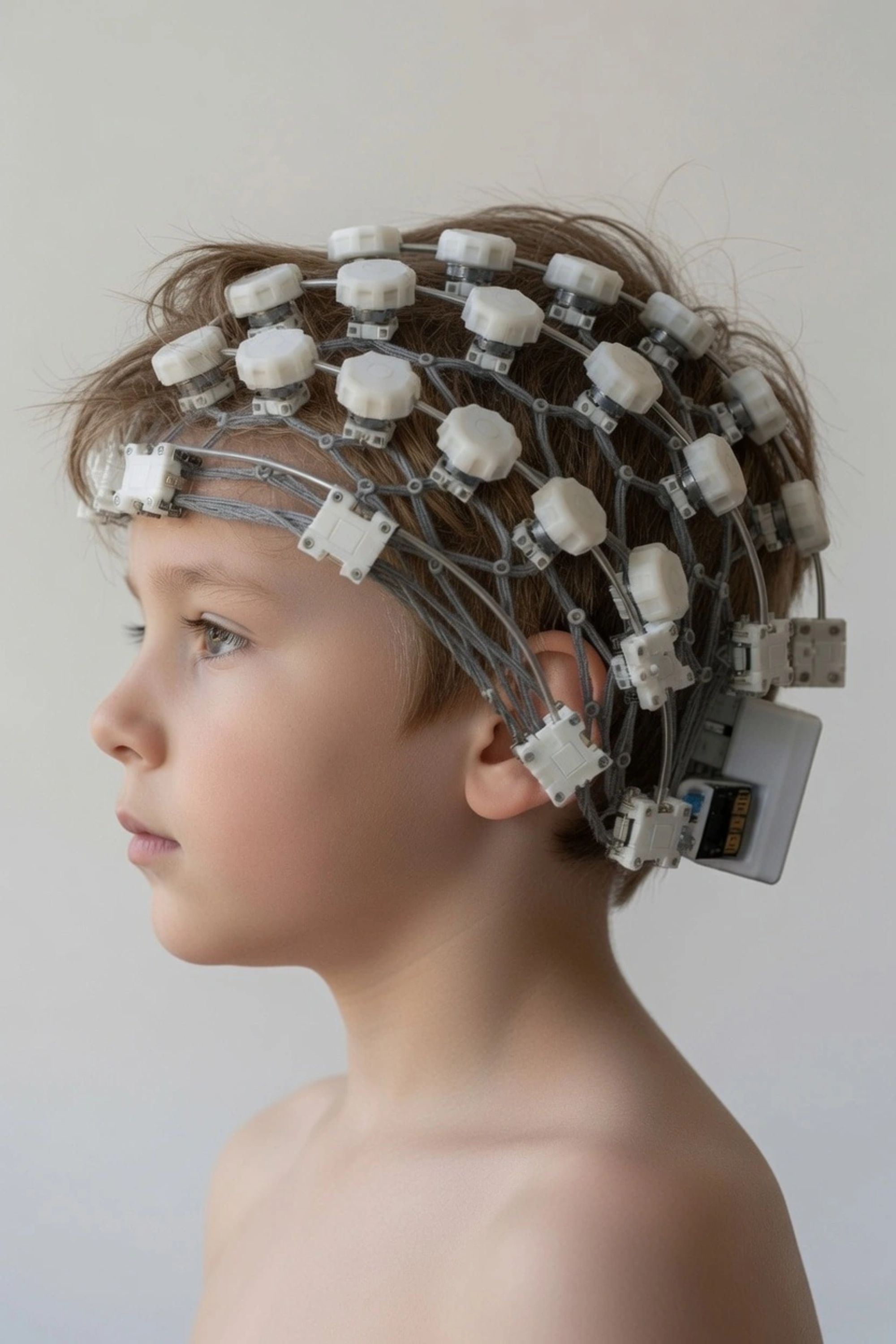
Intended output: active and quieter zones for pediatric monitoring. Not a treatment. Not a diagnosis.
Warning — the numbers
Red is the scale of the problem. These children are already here. Too many are identified after the first five years — the years QuietScan is being developed to serve.
1 in 6 children ages 3–17
One or more developmental disabilities · United States · CDC
17%
1 in 31 children at age 8
Identified with autism spectrum disorder · United States · CDC ADDM 2022
3.2%
53 million children under 5
Living with a developmental disability · Worldwide · Lancet, 2018
8.4%
About 1 in 100 children
Autism spectrum disorder · Worldwide · WHO
1%